Power Fifteen
Three rounds of five moves — squat, push-up variation, reverse lunge, plank hold, and high knees — forty-five seconds on, fifteen off. One sample structure for days when you want a moderate-intensity block before a meeting.

Most schedules leave little room for long gym sessions. Fifteen minutes is about one percent of your day — often less than routine tasks like picking a show to watch. This site shares free educational ideas for short bodyweight movement at home, in regular clothes, with no equipment required.
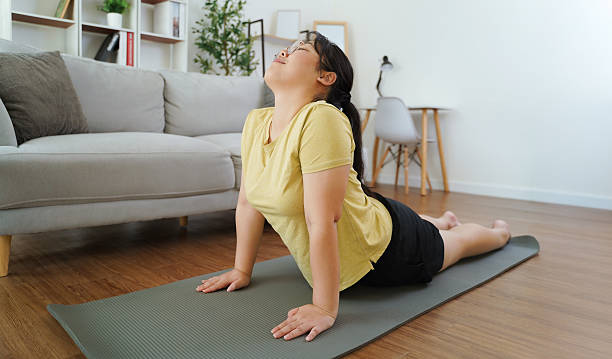
A full day holds 1,440 minutes. A sixty-minute workout is more than four percent of waking time for many adults — harder to repeat daily. Fifteen minutes can fit between meetings, after school drop-off, or during a short break. Published research, including work from McMaster University on brief bodyweight-style circuits in sedentary adults, suggests that short repeated sessions may support cardiovascular fitness markers in some study participants. Individual results depend on baseline health, consistency, and effort.
Fifteen minutes is also roughly what many people spend on small daily tasks — coffee, headlines, a few emails. This site shares educational templates for redirecting that time toward simple movement: squats in everyday clothes, incline push-ups at a counter, marching while dinner cooks. The focus is sustainable repetition, not dramatic overnight change.
For Chicago residents near Archer Avenue, home-based sessions can remove commute and locker-room friction. A fifteen-minute template is one option to add structured movement to your week — always adapted to your own comfort and professional guidance when needed.
Fifteen minutes equals 1% of a 24-hour day. It is less than the average American spends choosing streaming content in the evening, according to Nielsen viewing data. Redirecting that sliver toward bodyweight movement is a logistics problem, not a willpower marathon.
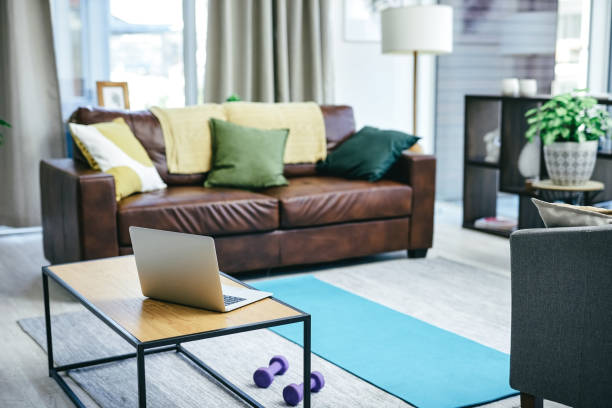 Your body and the floor are the full inventory list.
This site is built around a simple inventory: your body and whatever floor you are standing on. No dumbbells collecting dust, no yoga mat rolled in a closet, no special shoes waiting by the door. Cotton t-shirt and kitchen tile work fine. Bodyweight training uses mechanical tension — pushing, pulling, bracing, and stepping against gravity — which means your mass is the resistance. A well-designed push-up progression loads the chest and triceps similarly to a light bench press for many beginners. Wall sits fire the quadriceps without a leg press machine.
Dress code matters more than people admit. When you remove the friction of changing into athletic wear, you remove one of the top three reasons home workouts get skipped. Keep movements low-impact if you share walls with neighbors: controlled squats, standing calf raises, and slow lunges travel quietly. Harder variations — jump squats, burpees — belong in sessions when noise is not an issue. The lesson from functional fitness coaches is consistent: meet yourself where you are, in the clothes you are already wearing, and build from there.
Short bodyweight sessions are discussed here as general wellness education — not as treatment for stress, anxiety, or any health condition. Some people use a brief movement break to change posture, move away from a screen, and add light activity to the day. Others prefer rest; both are reasonable choices.
Studies on acute exercise and mood often show small average shifts in self-reported energy or tension, with wide variation between individuals. Walking research, including creative-task experiments at Stanford, reports mixed results depending on the measure used. A bodyweight circuit is one optional structure — not a replacement for sleep, counseling, or medical care.
Our articles group sample sessions by general goal (calm pacing vs. moderate intensity). Choose what fits your day, scale impact to your joints, and pause if anything feels wrong.
Three rounds of five moves — squat, push-up variation, reverse lunge, plank hold, and high knees — forty-five seconds on, fifteen off. One sample structure for days when you want a moderate-intensity block before a meeting.
Slow tempo movements paired with longer exhales. Think cossack squats, cat-cow at standing height, and wall angels for posture after desk work.
Quiet moves only: seated leg extensions, standing calf raises, desk push-ups, and neck mobility. Neighbor-friendly and shirt-friendly.
Alternating strength and cardio drills — jump squats optional — to raise heart rate without a treadmill. Scale impact to your floor, joints, and comfort level.
Dead bugs, side planks, and bird dogs in timed sets. Sample core-focused patterns that may help some people feel steadier during other movements — individual results vary.
Elevated push-ups, chair-assisted squats, and marching in place. A honest starting line for people returning after time away.
Public health agencies such as the WHO describe weekly moderate-activity targets for adults — for example, around 150 minutes per week for many populations. Shorter bodyweight sessions may count toward those totals when performed at moderate effort, depending on intensity and individual circumstances. This site does not promise specific fitness outcomes.
What short sessions may help with, for some people, is lowering the friction of getting started. Habit researchers describe reducing steps between intention and action. Ten to fifteen minutes after lunch, several days a week, is one approach some readers try instead of occasional long sessions that are harder to repeat. Track completions if useful — consistency is a personal goal, not a guaranteed result.
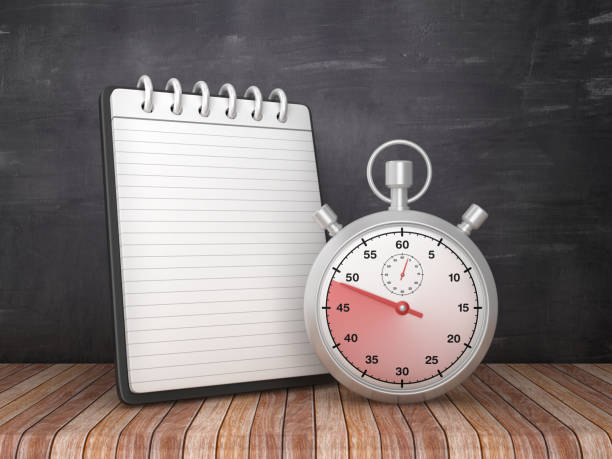 Fifteen minutes, repeated, beats occasional long sessions.
Yes, but the warm-up can be part of the session. Spend the first two to three minutes on joint circles, arm swings, and easy marching in place. That raises tissue temperature and prepares ankles, hips, and shoulders for squats and push patterns. Skipping warm-up on cold muscles increases stiffness risk, especially if you sit most of the day.
Both work with adjustments. On hardwood, wear socks with grip or bare feet for stability during lunges. On carpet, high-impact jumps may feel sluggish — favor controlled squats and planks. If you have knee sensitivity, place a folded towel under your knees for kneeling moves.
Three non-consecutive days is a solid starting point — Monday, Wednesday, Friday, for example. That gives muscles forty-eight hours between similar patterns. Add a fourth day only after two comfortable weeks at three. Listen for persistent joint pain versus normal muscle fatigue; the former means scale back impact.
Elevate your hands on a counter, sturdy table, or wall. The higher your hands, the lighter the load on your chest and arms. Gradually lower the surface over weeks as strength builds. Quality reps at an incline beat sagging full push-ups that strain the lower back.
Browse free educational guides, read movement breakdowns, or contact our Chicago team with questions. No payment, account, or signup is required to use this website.
Start with Quick Workouts About This Site